The Fitting Room
From a hat shop to a silk loom: Nişantaşı’s fashion houses
How a 1934 hat shop became Vakko, Beymen’s 1987 promise, and the rescue of Gaziantep’s kutnu silk.
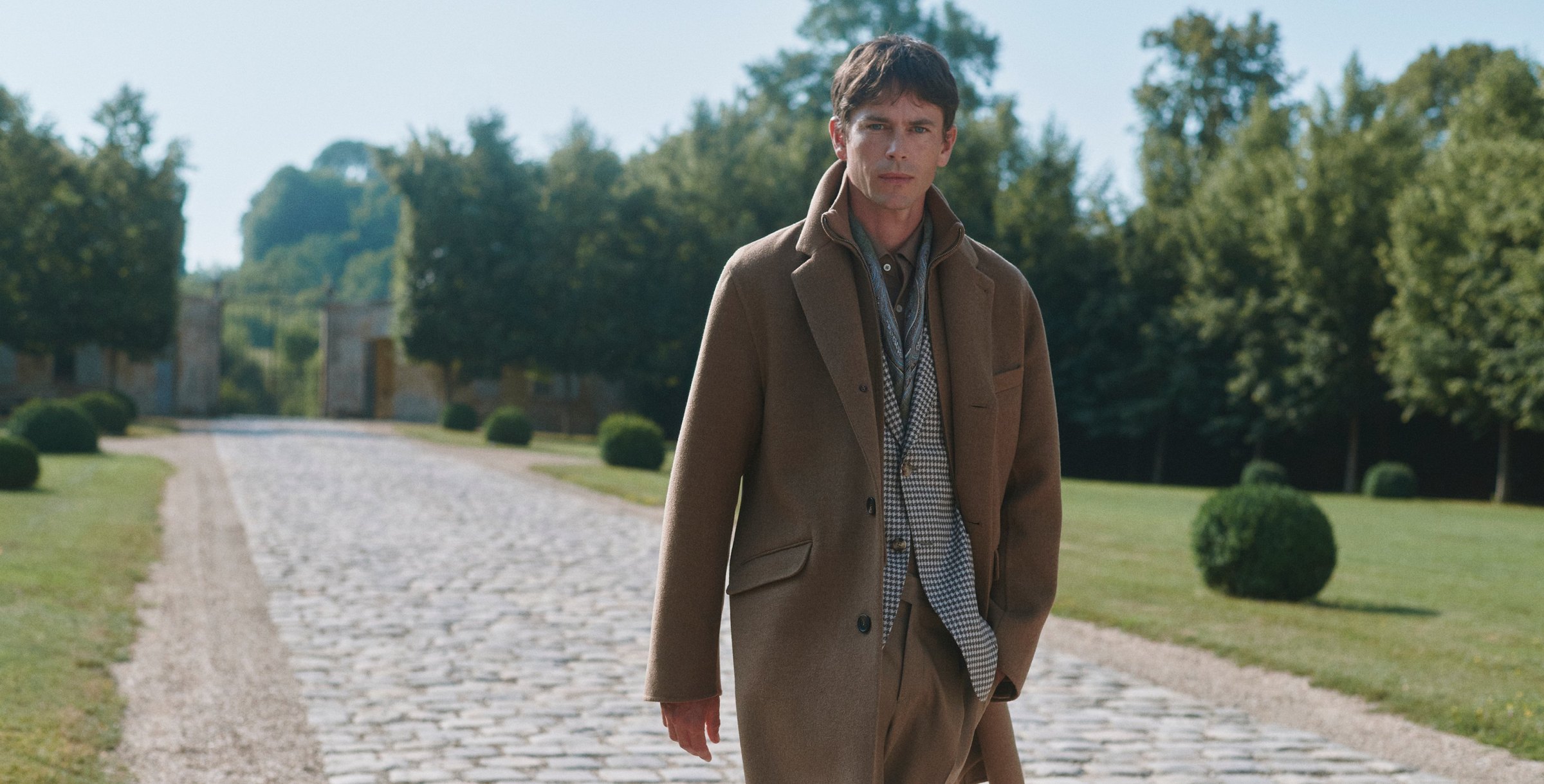
Photo Credit
Image courtesy of © VakkoWhere should you buy something in Istanbul that you could not buy anywhere else? Start in Nişantaşı, where three houses tell the city’s fashion story: a milliner that became a fashion house, a department store that put customer happiness in writing, and a label that rescued a silk-and-cotton fabric from extinction. From the houses’ own pages, checked in November 2026.
The cheerful hat
Istanbul’s best-known fashion house began with hats. In 1934 Vitali Hakko opened Şen Şapka, a small millinery shop; Şen Şapka means, roughly, Cheerful Hat, which is a promising name for any business. The shop became Vakko, and nearly a century later its stores, including Nişantaşı, sell ready-to-wear, tailoring, couture, scarves and pieces for the home.
The founder’s creed, as the house still quotes it, is that fashion is a form of self-expression. Vakko’s menswear runs to coats, jackets, suits and tuxedos, with ties, bow ties, handkerchiefs and cufflinks to finish them, and its scarf collection goes as far as made-to-order designs. The hats, fittingly, are still in the women’s collection too.
The house has since lent its name to a fashion school, Vakko ESMOD, and to the Vitali Hakko Creative Industries Library.
A promise before the law
Beymen opened its first store in 1971 in Şişli, then one of Istanbul’s most prestigious shopping districts. In 1987, at a time when Türkiye had no consumer protection law, it introduced what it calls Koşulsuz Müşteri Mutluluğu: Unconditional Customer Happiness. A retailer promising happiness without conditions was, in its way, the boldest fashion statement of the decade.
In 2003 Beymen opened its 3,500 m² Beymen Nişantaşı store, and with its Brasserie restaurant it soon became one of the city’s meeting points. Today it gathers international designer fashion, accessories and beauty with the house’s own labels, in the heart of the district.
The flagships kept growing: Beymen Akmerkez, 5,200 m², in 1994, and in 2013 Beymen Zorlu Center, at about 10,000 m² what Beymen calls Türkiye’s largest fashion store. For those who would rather not browse alone, Beymen Privé offers personal style advice and VIP shopping, shaped to your preferences and the life you lead.
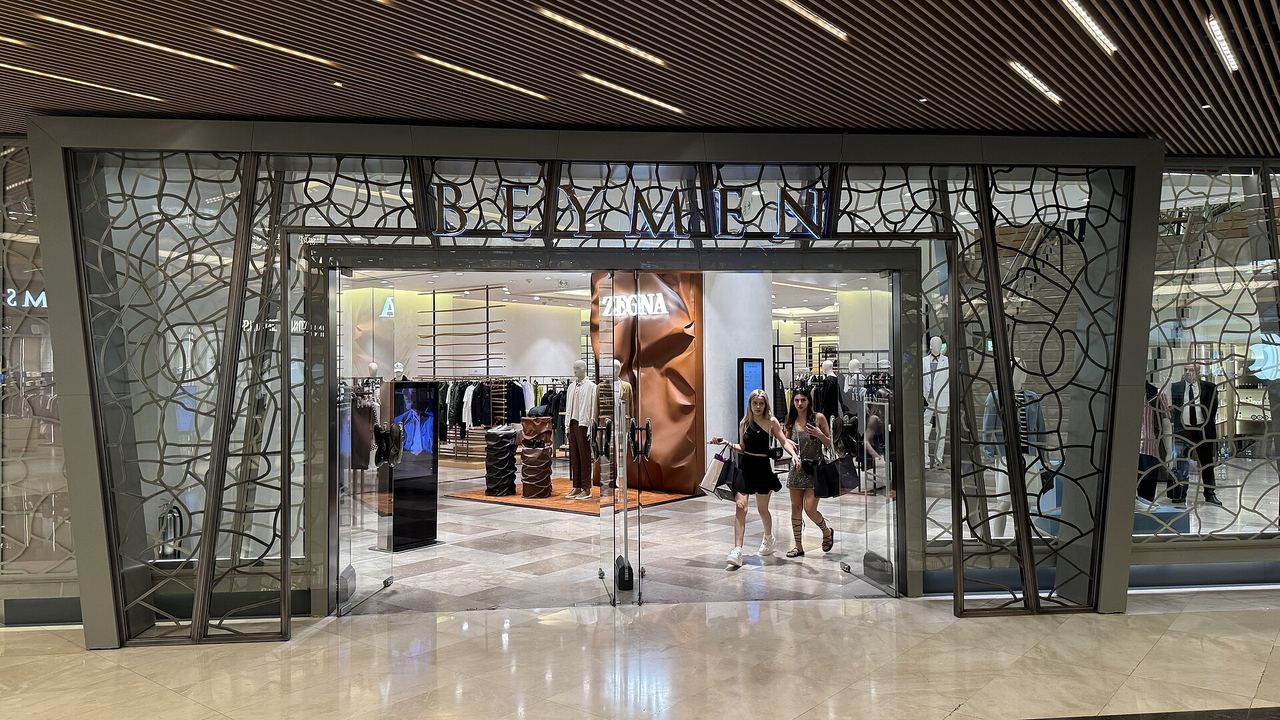
Photo Credit
Image courtesy of © Keizers · CC BY-SA 4.0 via Wikimedia CommonsThe fabric that nearly vanished
Kutnia tells an older story. Kutnu, a fabric of silk and cotton, reached Anatolia along the Silk Road, and from the sixteenth century Gaziantep developed its own weaving techniques for it. By the nineteenth century it was one of the most sought-after fabrics of Ottoman and European court fashion.
Şen Şapka means, roughly, Cheerful Hat, which is a promising name for any business.
Its weakness was its width. Woven largely by hand, and too narrow for industrial looms, kutnu fell out of fashion and by the twenty-first century was close to disappearing. A preservation project began in Gaziantep in 2015, and Kutnia was founded there in 2017.
Its weavers work in a Gaziantep workshop on traditional looms brought from Bursa, with floss-silk yarns tested to international standards; the silk warp and cotton weft have been made lighter and more durable for modern clothes.
The result is the most Istanbul thing you can take home that was not made in Istanbul: silk shirts and trousers, kimonos, jackets and accessories, this season in prints named after Zeugma. It is a fabric with a court pedigree that now goes to dinner in Nişantaşı.
Our advice: start at Beymen Nişantaşı for international labels, then Vakko for the house’s own tailoring and scarves, and finish at Kutnia for a piece no other city makes. Check each store’s address and hours on its own site before you go; for haircuts, shaves and spas, see our Beauty & Grooming list.
Why it's on our list
- The cheerful hat
- A promise before the law
- The fabric that nearly vanished
Location
The map comes from Google Maps, which sets its own cookies once it loads.
More in depth
 The Fitting RoomPeştemal and headscarf: dressing for Istanbul’s great interiorsWhat to wear in a historic hammam and at Hagia Sophia, and the silk square worth carrying for both.
 The back storyMeze, kebab and the lokanta: the Istanbul tablePalace kitchens, kebabs, olive-oil dishes and the humble lokanta.
 The back storyThe best restaurants with a Bosphorus viewDinner on the Bosphorus, with two continents either side of your table.